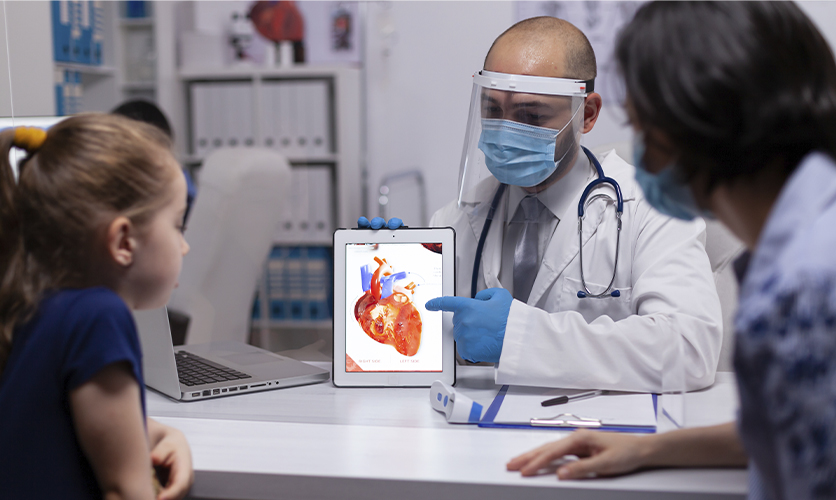
Heart disease rarely announces itself loudly. It builds quietly through stress, poor sleep, ignored symptoms, and years of elevated blood pressure or cholesterol. By the time most people visit a cardiologist, they wish they had come sooner.
Our cardiology department exists for both the patient who has already had a cardiac event and needs expert ongoing care, and the one who wants to understand their risk before something happens. Either way, you get a cardiologist who takes your heart seriously.
What We Diagnose and Treat
Coronary artery disease, heart failure, arrhythmias, hypertension, valve disorders, congenital heart conditions, and post-cardiac event recovery. We also conduct risk assessments for patients with a family history of heart disease or multiple lifestyle risk factors.

Cardiac Diagnostics We Offer
ECG, echocardiography, stress testing, Holter monitoring, and lipid profiling are available in-house for same-day or next-day results in most cases.
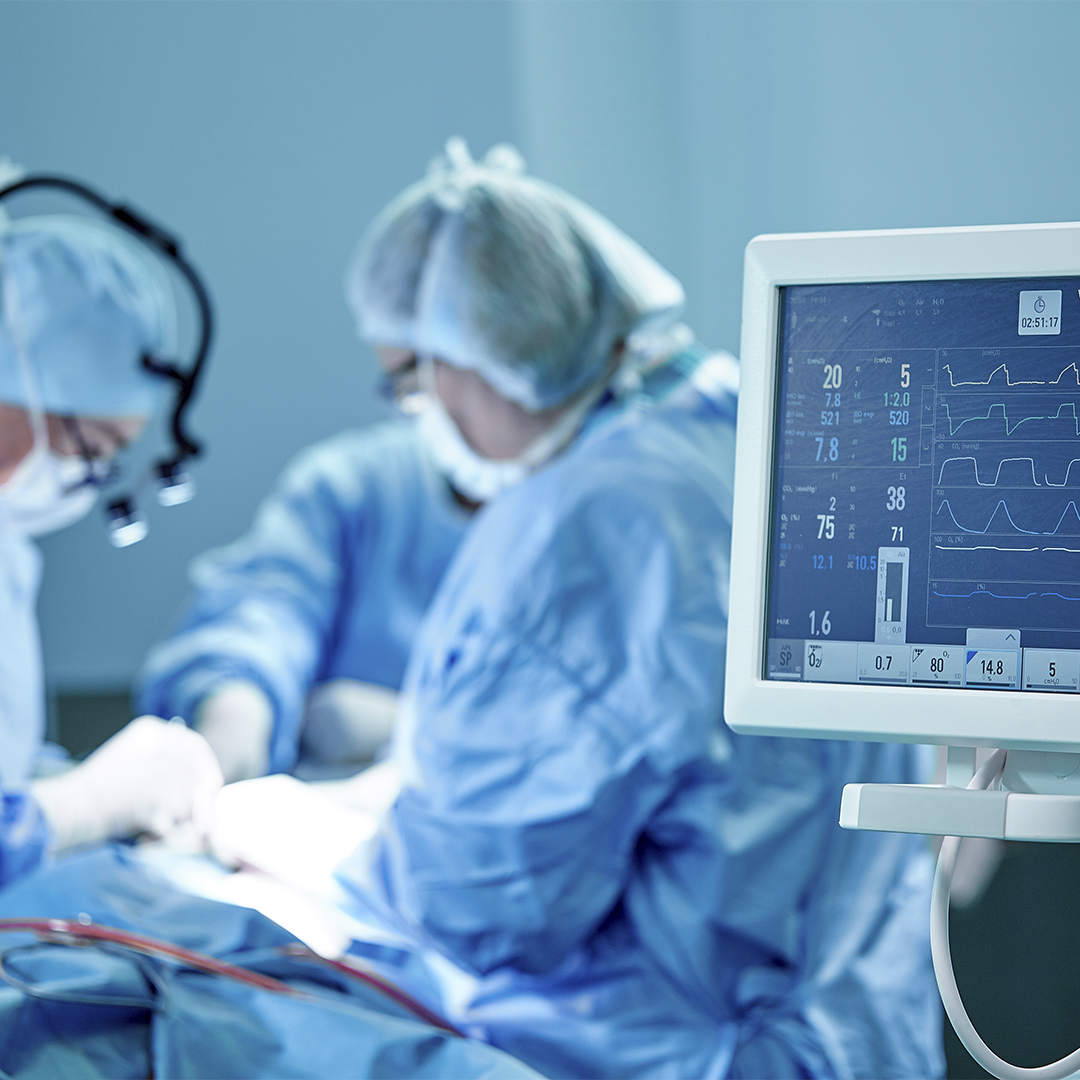
Interventional Cardiology
For patients who need more than medication, our interventional cardiologists perform procedures to restore normal heart function with precision and care.
What to Expect at Your First Cardiac Consultation
Your cardiologist will review your symptoms, lifestyle, family history, and any previous reports. A focused physical examination follows. Depending on findings, diagnostic tests may be ordered on the same day. You leave with a clear picture of your heart health and a plan going forward.
Who Should See a Cardiologist
Anyone experiencing chest pain, breathlessness, palpitations, or unexplained fatigue. Patients with diabetes, hypertension, or obesity who have never had a cardiac assessment. Anyone with a family history of heart attacks or sudden cardiac death. And frankly, anyone over 40 who has never had their heart properly evaluated.

Frequently Asked Questions
Chest pain or pressure, shortness of breath at rest or during mild activity, irregular heartbeat, sudden dizziness, or swelling in the legs. Do not wait to see if these pass.
Not at all, an ECG takes under 10 minutes and is completely painless.
Yes, Family history is one of the strongest risk factors. A preventive consultation and basic tests can tell you a great deal about your risk.
Yes, we have a structured cardiac rehabilitation programme for patients recovering from heart attacks or cardiac procedures.
This depends on the condition, but most of our cardiac patients are on a 3 to 6-month follow-up schedule.